Planning a private dinner at Siena in Alpharetta comes down to sequence, not a single showstopper. This guide ranks the courses that carry a private dining menu best in 2026, so you can choose by occasion and confirm exact dishes with the team.
- The best private dining dishes at Siena in Alpharetta are shared Mediterranean starters, a pasta course and a chef-driven entrée.
- Open with shared plates: they get a table talking within minutes.
- Close with one dessert to share, plus a toast, for a clean ending.
- Siena's current menu decides the exact dishes, so confirm them before you finalize your 2026 event.
Best overall: shared Mediterranean starters. Best for a milestone dinner: a chef-driven entrée. Best for mixed dietary tables: a vegetable-led course. Best for a warm welcome: a cocktail or wine toast on arrival. That is the short answer for anyone building a private dining menu at Siena in 2026.
Why this matters
A private dinner is judged on flow. Guests remember whether the table stayed lively, whether anyone waited too long, and whether the last course felt like an ending. One dish rarely does that work.
Siena is a Mediterranean and Italian restaurant in Alpharetta, Georgia, with chef-driven dinner, brunch, happy hour and cocktails. It serves diners planning date nights, private dining and special occasions. That mix of Mediterranean warmth and Italian soul suits a menu built to be shared, passed and lingered over.
The ranking below is about course roles, not a fixed list of dishes. Menus change, and the current menu is the source of truth. Use this as a framework, then confirm specifics with the restaurant. Group size also shapes what is practical, so check how many guests Siena's private dining room can hold before you lock in a format.
What makes the best private dining dishes
Six criteria separate a good private menu from a stressful one:
- Shareable. Dishes that pass down a table keep conversation moving and remove the pressure of ordering one by one.
- Broad appeal. A group of 8 to 20 includes cautious eaters and adventurous ones. The menu needs an entry point for both.
- Pacing. Courses arrive in a rhythm the table can follow, with room between them to talk.
- Dietary range. At least one course works for guests who skip meat, gluten or dairy.
- Occasion fit. A rehearsal dinner, a retirement toast and a corporate dinner each need a different tone.
- Kitchen consistency. Dishes that hold up when many plates leave the kitchen together.
Private dining courses at a glance
| Rank | Course | Best for | Standout quality | Key limitation |
|---|---|---|---|---|
| 1 | Shared Mediterranean starters | Opening the table | Interactive, easy to mix and match | Can crowd the table if over-ordered |
| 2 | Italian pasta course | Comfort and crowd appeal | Familiar and filling | Heavier before a main course |
| 3 | Chef-driven entrée | Milestone dinners | The memorable centerpiece | Less flexible for dietary needs |
| 4 | Vegetable-led course | Mixed dietary tables | Lightens the menu | Needs advance confirmation |
| 5 | Dessert to share | Toasts and endings | Gives the night a finish | Skipped when guests are full |
| 6 | Cocktail or wine welcome | Arrivals and pairings | Sets the tone before food lands | Needs a plan for non-drinkers |
1. Shared Mediterranean starters: best opening course for a group
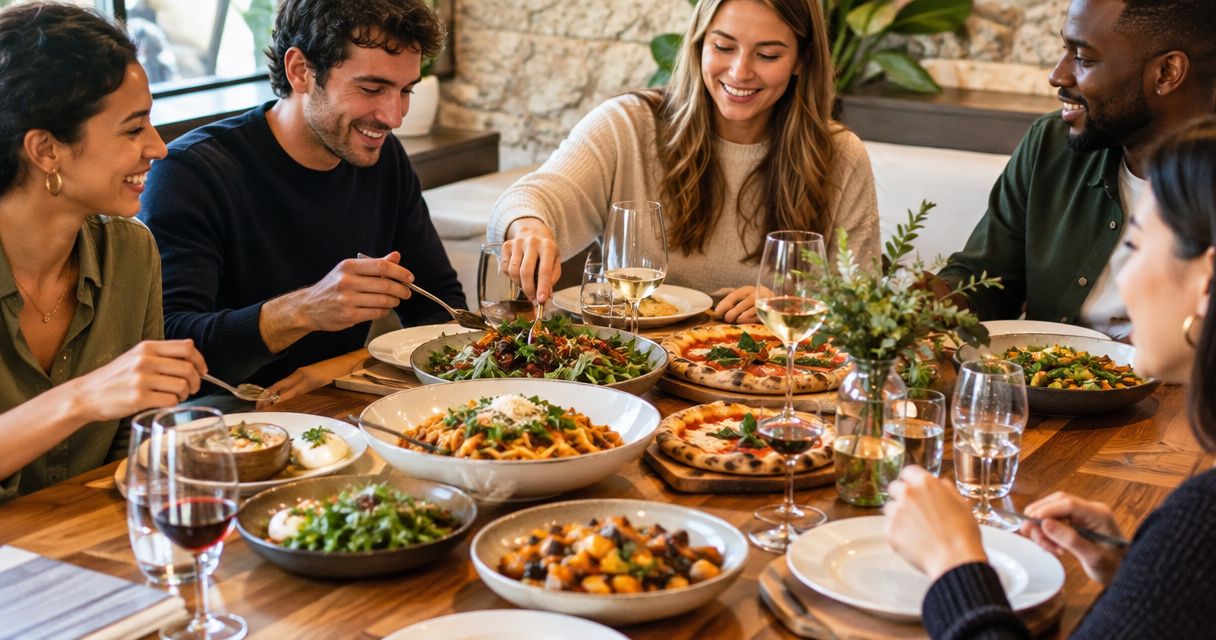
Shared starters are the strongest first move at a private dinner. Plates land in the center of the table, guests reach across each other, and strangers become a group.
Shared starters pros:
- Everyone eats immediately, so no one sits hungry while the room fills.
- Variety covers different tastes without separate orders.
- Easy to scale up or down as the headcount firms up.
- Sets a Mediterranean tone before the main courses arrive.
Shared starters cons:
- Too many starters push guests past full before the entrée.
- Shared plates are a poor fit for strict allergy tables unless labeled.
Best for: Welcome dinners, rehearsal dinners, team gatherings.
How to use it: Plan roughly two to three starter plates per four guests, then adjust with the team. That is a planning habit, not a menu rule, so confirm quantities when you book.
Verdict: Include. It earns the top slot because it works for nearly every occasion.
2. Italian pasta course: best for comfort and crowd appeal
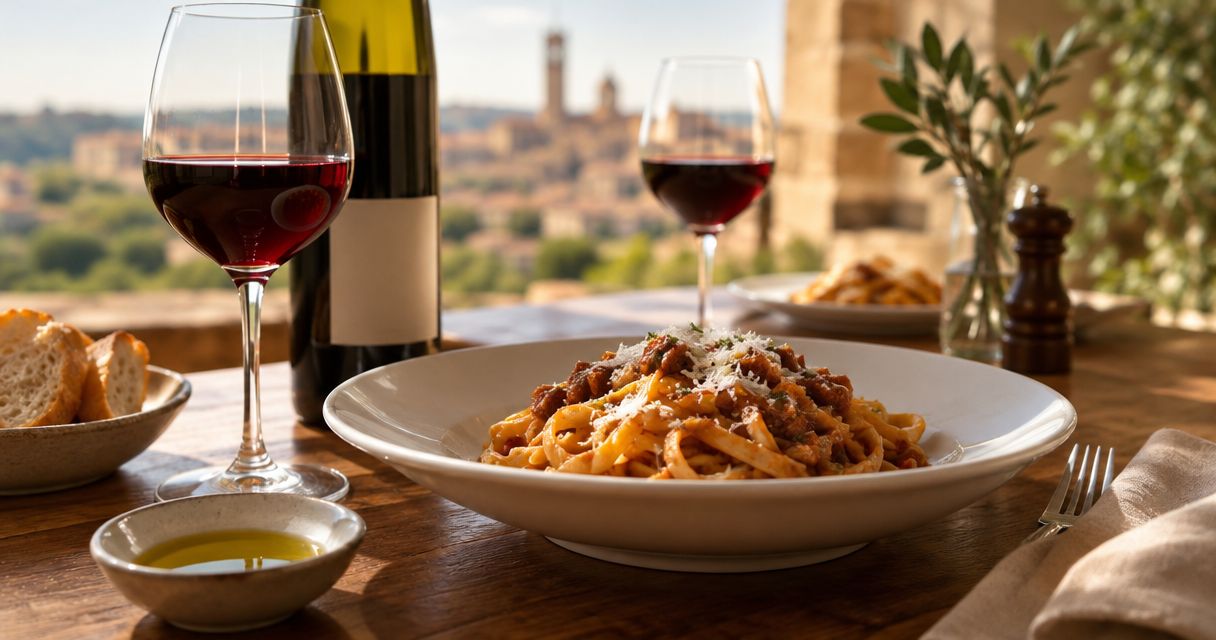
Italian cooking is half of what Siena does, and a pasta course is the clearest expression of it. It is familiar, it is filling, and it pleases guests who want something certain.
Pasta course pros:
- Reads as celebratory without being fussy.
- Appeals across age groups, from grandparents to teenagers.
- Works as a shared middle course or as part of the main.
- Pairs naturally with wine, which supports a toast-heavy evening.
Pasta course cons:
- Can make the table heavy if followed by a large entrée.
- Some guests avoid gluten, so a second option matters.
Best for: Family dinners, birthdays, engagement celebrations.
How to use it: If you serve pasta as a course, keep the entrée portion in mind. Ask the team how the two courses balance. For gluten concerns, read the guide on gluten-free pasta options at Siena is not a substitute for asking; confirm directly when you book.
Verdict: Include for celebrations; Hold for corporate dinners where guests want a lighter meal.
3. Chef-driven entrée: best for a milestone dinner
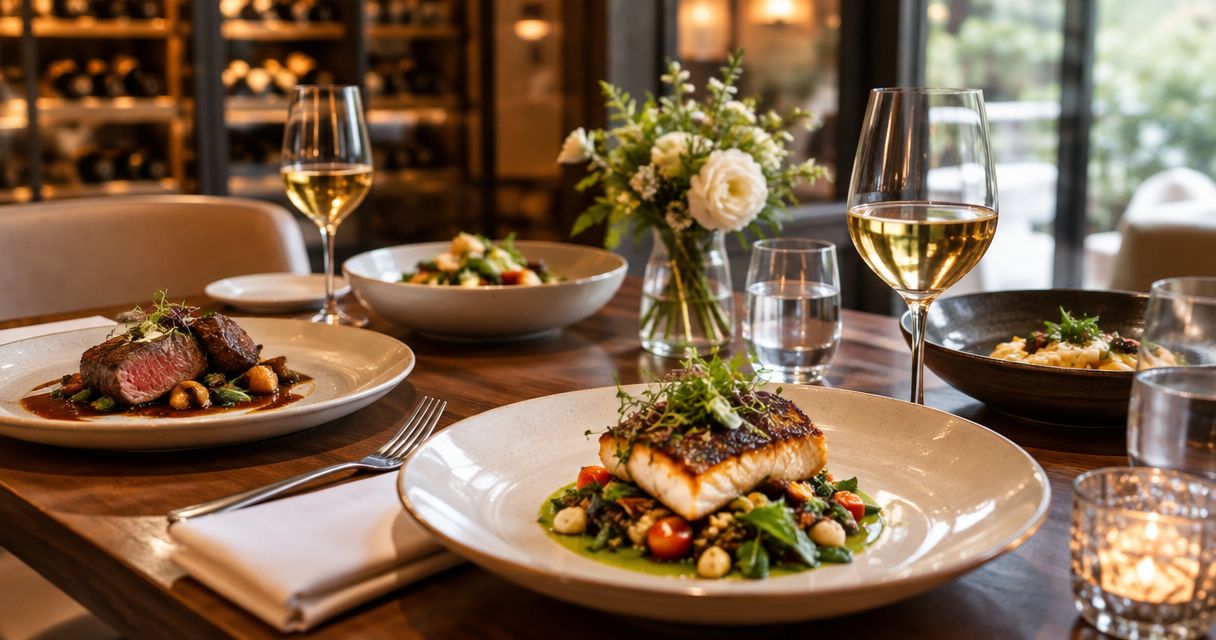
The entrée is the dish your guests will describe the next day. Siena positions its kitchen as chef-driven, and a private dinner is where that earns its place. Pick the course that suits the moment: something celebratory for an anniversary, something steady for a retirement.
Chef-driven entrée pros:
- The memorable centerpiece of the evening.
- Gives the host a clear story: this is what we ate for the occasion.
- Plated courses make the dinner feel formal and considered.
Chef-driven entrée cons:
- Less flexible when many guests have restrictions.
- Choices must be collected ahead of time for larger groups.
Best for: Anniversaries, retirements, graduation dinners, proposals.
How to use it: For groups larger than 10, collect entrée choices at least a week before the event. Siena's dinner offering can shift, so check whether the dinner menu changes seasonally before you promise guests a specific dish in an invitation.
Verdict: Include. Do not skip it unless your format is cocktail-style.
4. Vegetable-led course: best for mixed dietary tables
Every private dinner has someone who eats differently. A vegetable-led course keeps that guest inside the meal instead of beside it. It also gives meat-eaters a lighter beat between richer plates.
Vegetable-led course pros:
- Resets the palate between pasta and entrée.
- Serves vegetarian guests without a separate, awkward order.
- Fits the Mediterranean emphasis on produce and olive-oil-driven cooking.
Vegetable-led course cons:
- Needs advance confirmation to guarantee what is available.
- Guests expecting a classic Italian menu may pass on it.
Best for: Corporate dinners, girls' night celebrations, mixed-age families.
How to use it: Ask about vegetarian and allergen handling when you submit your inquiry. Flag the number of guests with restrictions up front so the kitchen plans for them rather than reacting on the night.
Verdict: Include whenever your guest list has more than a handful of dietary needs.
5. Dessert to share: best for toasts and endings
Dessert is where a private dinner turns into a memory. A single shared plate with a toast beats six individual orders: it keeps the table together and gives the host a natural moment to speak.
Shared dessert pros:
- Creates a clear closing moment for speeches and toasts.
- Reduces waste when guests are already full.
- Photographs well for the host's keepsakes.
Shared dessert cons:
- Guests with gluten or dairy limits may need an alternative.
- Large groups may need more than one plate to go around.
Best for: Birthdays, engagement and bridal shower dinners, retirements.
How to use it: If gluten matters to anyone in your group, read about gluten-free dessert options at Siena and then confirm with the team. Bringing your own cake is a separate question; check the restaurant's policy before you plan it.
Verdict: Include for celebrations; Hold for business dinners that end on a schedule.
6. Cocktail or wine welcome: best for arrivals and pairings
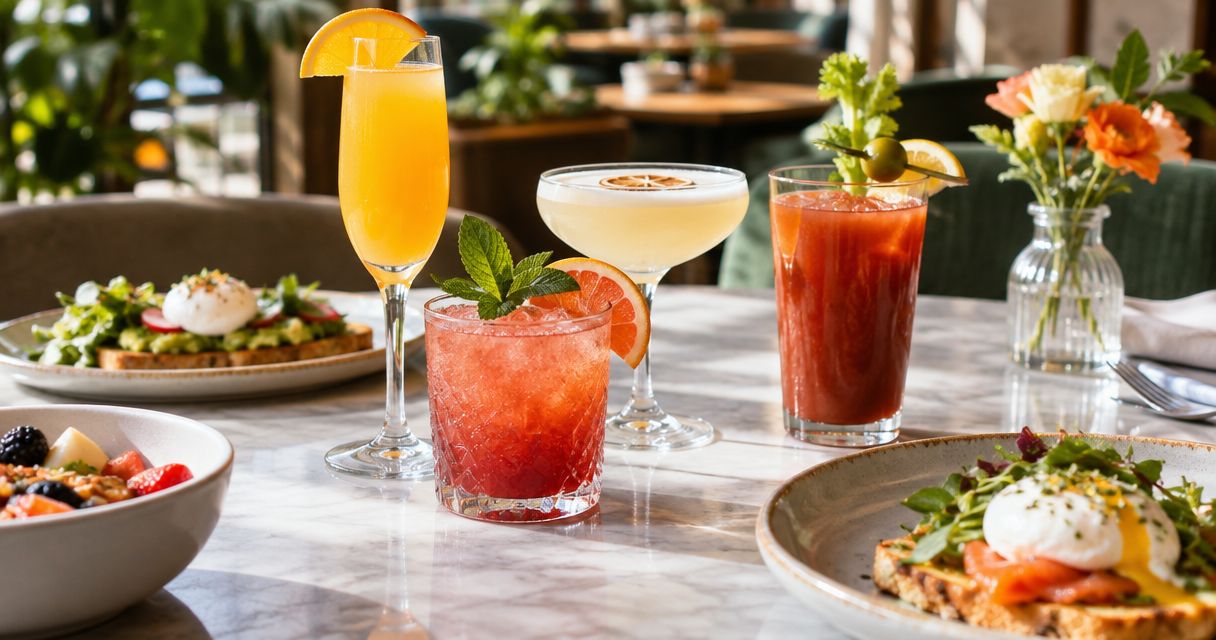
The first ten minutes set the temperature of the whole evening. A welcome cocktail or a glass of wine gives guests something to hold, something to taste and something to talk about while the rest of the group arrives.
Welcome drink pros:
- Covers the awkward arrival window when guests trickle in.
- Builds on Siena's cocktail and happy hour identity.
- Lets you carry a wine pairing through the courses.
Welcome drink cons:
- Needs a non-alcoholic option for guests who do not drink.
- Open bar formats can overrun a budget quickly.
Best for: Rehearsal dinners, holiday gatherings, bachelorette and bridal events.
How to use it: Decide between a single welcome drink and a full pairing. If wine is central to your plan, find out whether Siena offers wine pairings with dinner and how the team recommends handling them for a group.
Verdict: Include a welcome drink; Hold on a full pairing until you know your headcount.
How these courses were ranked
The ranking follows the six criteria above. Shared starters win because they score on shareability, pacing and broad appeal at once. The chef-driven entrée ranks third because it matters enormously for milestone dinners but flexes less for dietary needs. The welcome drink ranks last only because it supports the food rather than replacing it.
The order is a planning aid, not a verdict on any single dish. Siena's menu in 2026 decides what fills each slot.
Which course structure should you choose?
If you want one default, build a four-part dinner: shared starters, a pasta or vegetable-led course, one chef-driven entrée and a dessert to share. Add a welcome drink on arrival. That structure fits most private dinners at Siena in 2026 and keeps pacing predictable.
Match it to your occasion:
- Milestone or anniversary: prioritize the entrée and a toast with dessert.
- Large family or reunion: lean on shared starters and a pasta course.
- Corporate or retirement: add the vegetable-led course and keep the pacing tight.
- Bridal, bachelorette or girls' night: open with a welcome cocktail and share dessert.
The quotable version: for a private dinner at Siena in Alpharetta, start with shared Mediterranean starters, anchor the night with a chef-driven entrée, and end on one dessert to share.
How to move from menu to booking
Once you know the structure, the next step is the inquiry. Gather four details before you reach out: your date, your headcount, your occasion and any dietary restrictions. The team can then tell you what is available and how to shape the courses.
The process is laid out in the guide to submitting a private event inquiry at Siena. Read it before you write, and your first message will answer most of the questions the team would otherwise ask back.
Cost shapes the menu too. Planning your budget early prevents a redesign later, so review what a private dining event costs at Siena before you commit to a multi-course format.
FAQ
What are the best dishes for a private dining menu at Siena?
The best private dining menu at Siena combines shared Mediterranean starters, a pasta course, a chef-driven entrée and a dessert to share. Confirm the exact dishes with the team, since menus change.
Should a private dinner at Siena be family style or plated?
Use shared starters and a shared dessert, with a plated entrée for formal occasions. This mix keeps the table social while giving the main course a clear moment.
How many courses should a private dinner have?
Four courses plus a welcome drink suit most groups. That means starters, a pasta or vegetable course, an entrée and dessert. Larger or more casual groups can drop one course.
Can Siena accommodate vegetarian guests at a private dinner?
Flag vegetarian and other dietary needs when you submit your inquiry. A vegetable-led course keeps those guests inside the meal, and the team can confirm what is available.
Is Siena good for an anniversary or milestone dinner?
Siena serves diners planning date nights, private dining and special occasions, so milestone dinners are a natural fit. Prioritize the entrée and a toast with dessert.
Does Siena offer wine or cocktails for private events?
Siena serves cocktails and wine as part of its dinner and happy hour offering. Ask the team how a welcome drink or pairing can be arranged for your group.
How early should I confirm the menu for a private dinner?
Start the conversation as soon as you have a date and headcount. For groups over 10, collect entrée choices and dietary needs at least a week before the event.
Will the menu be the same in 2026 as in past years?
Do not assume it. Restaurant menus change, so confirm the current dishes with Siena before you promise a specific plate to guests in your 2026 invitation.
One last thing
The most common private dining mistake is ordering too much early. Guests who fill up on starters and pasta stall before the entrée, and the dish you planned the night around goes half-eaten. Hold the starters to a modest number, let the entrée lead, and leave room for the toast. The 2026 dinners that people talk about afterward are rarely the biggest. They are the best paced.