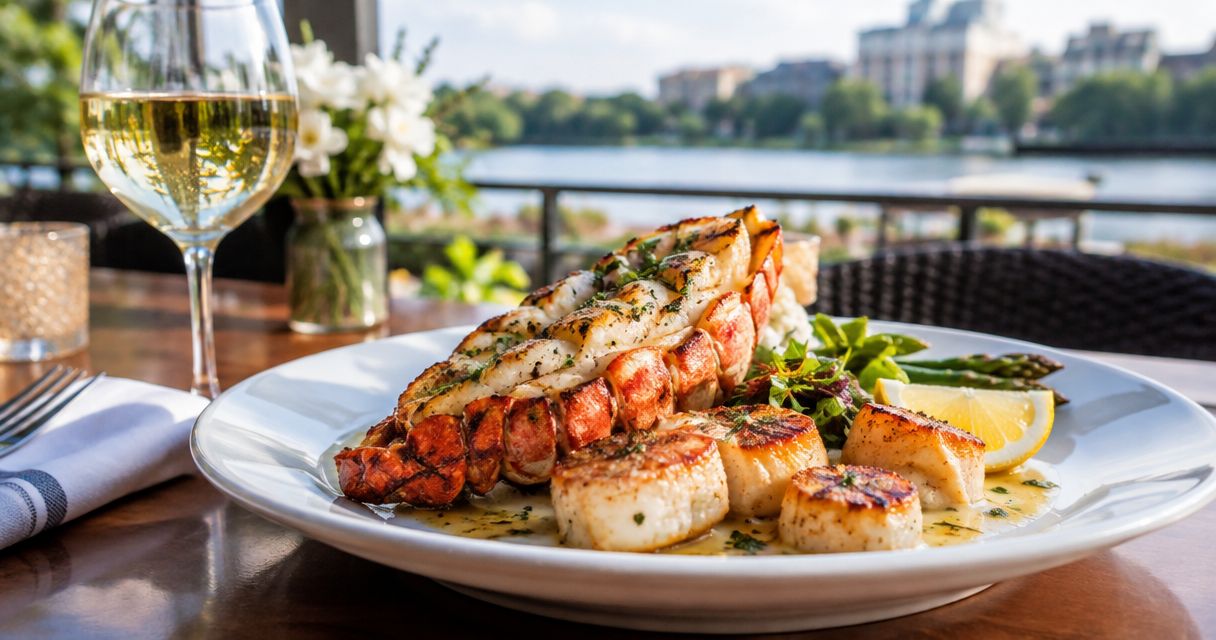
Retirement celebration private dining is a restaurant gathering planned around the retiree, with the aim of bringing colleagues, friends, and family together for a meaningful farewell. When choosing a retirement party venue Alpharetta guests will enjoy, start with conversation, guest needs, and the kind of dinner your guest of honor wants—not decorations.
- Choosing a retirement party venue Alpharetta guests enjoy starts with privacy, guest needs, and a clear dinner plan.
- Siena offers Mediterranean and Italian dining for special occasions in Alpharetta; confirm arrangements before committing.
- Distinguish a dinner reservation from a private-dining request, especially when speeches are part of the celebration.
- Let the retiree’s preferences shape the gathering, then confirm menu choices and event details directly.
WHY PRIVATE DINING MATTERS FOR RETIREMENT CELEBRATIONS
A retirement dinner has a different center of gravity from an ordinary group meal. The guest of honor connects colleagues from different chapters of a career, friends who know the stories behind it, and family looking toward what comes next. Your plan needs to make those conversations easy.
Siena is a fit for retirement hosts seeking Mediterranean and Italian special-occasion dining in Alpharetta. Start at the Siena website for the current reservation path, then confirm whether your celebration needs a separate private-dining discussion. A table reservation and an event agreement are different planning tasks.
For a 2026 celebration, treat the current menu, hours, and reservation information as the starting point—not an old screenshot or a remembered visit. Keep the brief focused: who is coming, what the retiree enjoys, and which arrangements require confirmation.
Private dining belongs in the conversation when privacy is part of the occasion. A toast, a personal presentation, or a gathering that mixes family and coworkers deserves a setting chosen around those needs. Do not assume the words “group dinner” guarantee an exclusive space.
PLAN A CELEBRATION WITH THE RETIREE AT ITS HEART
Start with the guest of honor
Before you discuss seating or a menu, ask what the retiree actually wants. A quiet dinner and a farewell full of speeches are different occasions. Neither needs to become the default simply because an organizer prefers it.
Use 3 planning questions: who should be there, what should the evening feel like, and what would make the guest of honor uncomfortable? Those answers give you a useful brief without turning a personal celebration into an elaborate production.
Choose an emotional center, too. It might be gratitude for a career, time with close friends, or a welcome to the next chapter. That choice helps you decide which traditions belong and which to leave out.
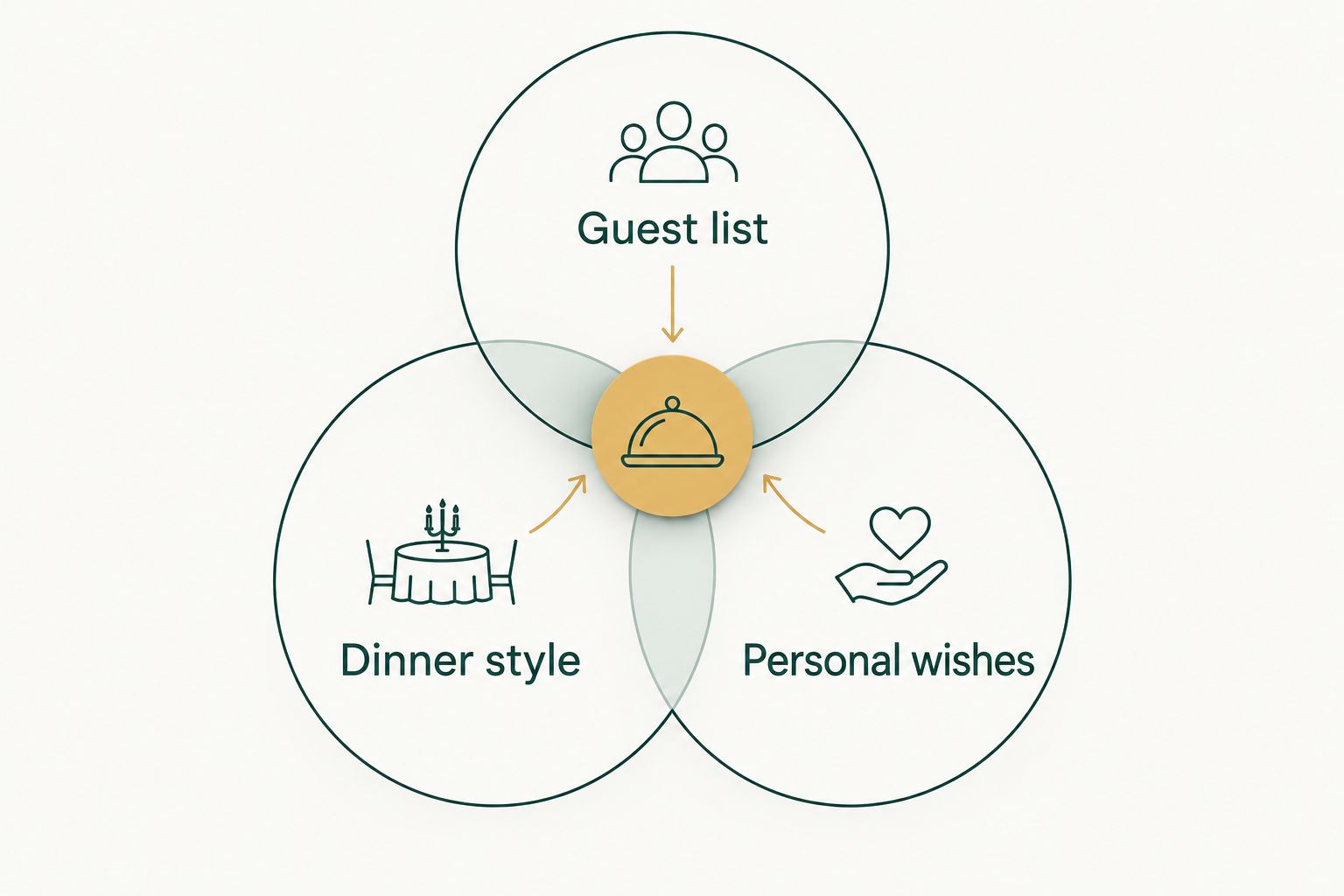
- Guest list: Ask whether the retiree wants colleagues, family, close friends, or a mix.
- Dinner style: Choose between a conversation-led meal and a gathering with planned remarks.
- Personal wishes: Check comfort with surprises, photographs, gifts, and public recognition.
- Shared purpose: Write a short sentence explaining what the celebration should honor.
Define the privacy you need
Start with a simple written list of what must happen during dinner. If everyone only needs to sit together, your inquiry differs from an event requiring uninterrupted remarks or separation from other diners. Describe the need before asking for a particular room.
For retirement private dining at Siena, confirm the proposed arrangement directly rather than treating the restaurant’s special-occasion focus as a promise of a specific layout. Ask what privacy means for your booking and what the agreement covers. The answer should be clear enough to explain to another organizer.
Choose privacy for a reason, not as a label. If speeches are central, discuss them before booking. If conversation is the priority, ask questions about the proposed seating and setting rather than adding event requirements you do not need.
- State whether your group needs exclusive use of an area.
- Ask whether the proposed space is enclosed or shared with other diners.
- Explain any planned speeches, presentations, or personal announcements.
- Confirm the seating arrangement and how the group will remain together.
- Ask which details require a private-dining inquiry rather than a standard reservation.
Build a guest list that supports conversation
Create the guest list yourself before making a restaurant inquiry. Separate confirmed guests from people you intend to invite, then share both counts accurately. A preliminary list is useful; presenting it as a final count is not.
Retirement celebrations often connect people who do not know one another well. Seat with introductions in mind. A colleague who can explain a shared achievement and a family member who knows its personal significance have something to talk about, even if they are meeting for the first time.
Keep 2 guest counts in your planning notes: invited and confirmed. This is an organizing method, not a restaurant policy. Ask the restaurant when it needs the final count and how changes should be communicated.
- Record names and responses in a shared document or notebook.
- Identify guests who need to sit near a companion or caregiver.
- Note who knows the retiree through work, family, or friendship.
- Make introductions part of the seating plan, not an afterthought.
- Share guest-count changes through the restaurant’s agreed contact route.
Choose the meal around your guests
Begin with the current first-party menu and the group’s dietary needs. Siena’s Mediterranean and Italian dining gives the celebration its culinary direction; individual dishes, event menus, and accommodations still need direct confirmation. Do not put an unverified dish on an invitation.
For a 2026 retirement dinner, decide what matters before choosing a meal format. Some hosts want guests to choose individually; others prefer to discuss a coordinated event menu. Ask which arrangements the restaurant can support, then choose from the confirmed options.
Collect food requirements privately. A guest should not have to explain a medical concern across the table. Share clear information with the restaurant and ask how it handles the request; do not promise accommodation on the restaurant’s behalf.
- Review the current menu through the restaurant’s website.
- Gather dietary requirements before settling on the meal plan.
- Ask whether individual ordering or an event-specific arrangement suits the booking.
- Confirm how allergies and other food requirements should be communicated.
- Discuss beverages without assuming every guest drinks alcohol.
- Ask before arranging an outside cake or other food.
Shape the evening around dinner and a toast
Write a short sequence on paper before adding any presentation. Arrival, introductions, dinner, a toast, and a closing thank-you give the gathering a clear direction. The restaurant should confirm how your preferred sequence fits its service arrangements.
A retirement celebration does not need to recount an entire career. Ask speakers to choose a specific memory, a quality they admire, or a wish for the next chapter. Give each speaker a distinct purpose so the guest of honor does not hear the same introduction repeatedly.
Use 1 lead host to coordinate the evening. Other people can help with invitations or gifts, but a single contact keeps instructions consistent. Agree who will speak with the restaurant and who will cue the toast.
- List the main moments in the order you want them to happen.
- Tell the restaurant when you hope to make remarks.
- Invite speakers individually rather than relying on an open invitation.
- Ask speakers to avoid confidential work details or uncomfortable stories.
- Keep gifts and photographs out of the way of meal service.
- Plan a closing thank-you that includes both the retiree and the guests.
Confirm the practical details in writing
Your first planning document can be simple: a guest list, a preferred date, the meal direction, and the requests that need an answer. Use that document for your inquiry. It keeps important details from getting lost across separate messages.
For a 2026 event, obtain current written terms before inviting guests to a confirmed arrangement. Read the restaurant’s responses carefully and distinguish an answer from an assumption. A request for a private space, outside dessert, or presentation equipment is not an agreement until it is confirmed.
Practical questions also protect the guest experience. Ask about access needs, the arrival instructions you should share, and the contact route for changes. Leave unconfirmed details out of the invitation rather than filling gaps with guesses.
- Confirm the date, arrival time, and agreed event arrangement.
- Ask for the applicable booking, payment, and cancellation terms.
- Confirm the deadline and process for guest-count changes.
- Discuss access requirements for the guests attending.
- Ask about decorations, outside items, and presentation equipment before bringing them.
- Keep the written agreement where the lead host can find it.
Send an invitation that makes attendance easy
Write the invitation only after the essential booking details are settled. Guests need to know whom they are celebrating, when to arrive, where the dinner takes place, and how to respond. They do not need the organizer’s entire planning history.
Use warm, direct language. Explain whether guests should prepare a memory, contribute to a shared gift, or simply come ready to celebrate. If the retiree prefers a quiet dinner, make that clear without making the occasion sound less meaningful.
Before sending a 2026 invitation, compare every logistical detail with the confirmed arrangement. Then send a concise reminder through the same channel you used for invitations. Keep changes factual and easy to find.
- Include the retiree’s name and the purpose of the gathering.
- Share only confirmed date, time, and location details.
- Give guests a clear response route and your chosen response deadline.
- Request dietary and access information privately.
- Explain any optional contribution without making it a condition of attendance.
- Name the lead host guests should contact with questions.
Begin your celebration plan
Use the website reservation link, then confirm private-dining arrangements directly with the restaurant.
CHOOSE THE RIGHT CELEBRATION FORMAT
Compare the shape of the occasion, not competing restaurants. These are planning formats to discuss with your chosen restaurant—not a statement that every arrangement is offered for your date or group. The right format is the one that supports the retiree’s wishes and the confirmed booking.
| Planning format | Best for | Main advantage | Key limitation |
|---|---|---|---|
| Conversation-led dinner | Retirees who prefer personal conversation over a program | Keeps attention on the people around the table | Does not resolve privacy needs by itself |
| Dinner with a planned toast | Hosts who want a clear moment of recognition | Gives the evening a shared focal point | Requires coordination with meal service |
| Private-dining request | Gatherings where separation and personal remarks matter | Makes privacy an explicit booking requirement | Needs direct confirmation of space and terms |
| Family-and-colleagues celebration | Retirees who want different parts of their life together | Creates room for work memories and personal stories | Needs thoughtful introductions and seating |
Each format has a trade-off. A quiet dinner limits the formal program; a speech-led gathering asks more of the host. Choose deliberately, then describe the format clearly in your restaurant inquiry.
COMMON MISTAKES RETIREMENT HOSTS MAKE
Turning the dinner into another work meeting
An agenda full of presentations can pull attention away from the person retiring. Keep professional recognition personal: a meaningful contribution, a remembered act of kindness, or a story the guest of honor enjoys. Leave internal business updates for another occasion.
Treating a reservation as a private-event agreement
A confirmed dinner reservation does not answer every question about privacy, speeches, or outside items. State those needs separately and get clear answers. Book the arrangement you need, not the arrangement you imagine.
Letting colleagues speak for the retiree
A workplace tradition does not establish the guest of honor’s preferences. Check before organizing a surprise, inviting a wider circle, or asking for a public speech. Gratitude should feel welcoming rather than obligatory.
Planning food before collecting guest requirements
Choosing the meal first makes dietary requests an afterthought. Gather requirements before discussing the menu and confirm the restaurant’s response directly. Keep sensitive information with the organizer and the people who need it.
Promising extras that have not been confirmed
A cake, slideshow, decorations, or a particular seating arrangement can shape guest expectations. Do not announce those details before the restaurant agrees. An uncomplicated celebration with confirmed arrangements is a better plan than an elaborate invitation built on assumptions.
FAQ
How do I choose a retirement party venue in Alpharetta?
Choose a retirement party venue in Alpharetta by matching the retiree’s wishes with the privacy, meal format, and guest needs you can confirm. Decide whether the occasion is a conversation-led dinner or a gathering with planned remarks before making an inquiry.
Is Siena a fit for a retirement celebration?
Siena offers Mediterranean and Italian dining for guests seeking special occasions in Alpharetta. Confirm the specific private-dining arrangement, current menu, and booking terms directly before committing to a retirement celebration.
Do I need private dining for a retirement party?
You need to discuss private dining when separation from other diners is part of the celebration. If speeches or personal presentations matter, explain those requirements rather than assuming a group reservation provides privacy.
How do I book a retirement dinner?
Start with the restaurant’s current website reservation path and confirm whether your group requires a separate event inquiry. Prepare the preferred date, guest count, meal direction, and privacy requirements before contacting the restaurant.
What should I ask about the retirement dinner menu?
Ask which current meal arrangements suit your booking and how dietary requirements should be communicated. Confirm individual dishes and accommodations directly rather than relying on an older menu or an outside listing.
Can I bring a retirement cake or decorations?
Bring outside cake or decorations only after the restaurant confirms permission and any applicable conditions. Include those requests in the planning discussion before mentioning them in the invitation.
What should a retirement toast include?
A retirement toast should include a specific memory, a sincere expression of thanks, and a wish for the retiree’s next chapter. Avoid confidential work details and stories that make the guest of honor uncomfortable.
ONE LAST THING
Ask the retiree what they are looking forward to after work. That answer gives the evening a future, not just a retrospective. It can shape the closing toast, a personal note, or the conversations you encourage around the table.
For your 2026 celebration, keep the final decision simple: a confirmed setting, a meal planned around your guests, and room to say something true. Honor the career without making the whole evening about work. The person at the center of the table is beginning another chapter.